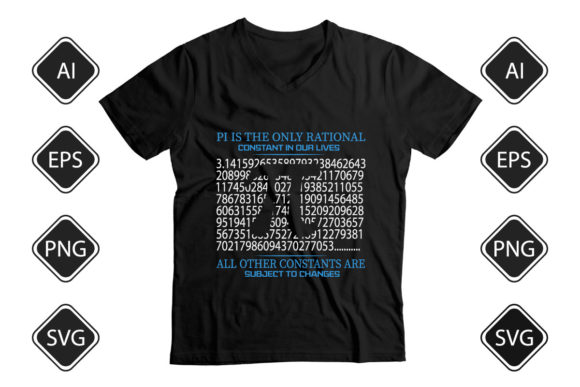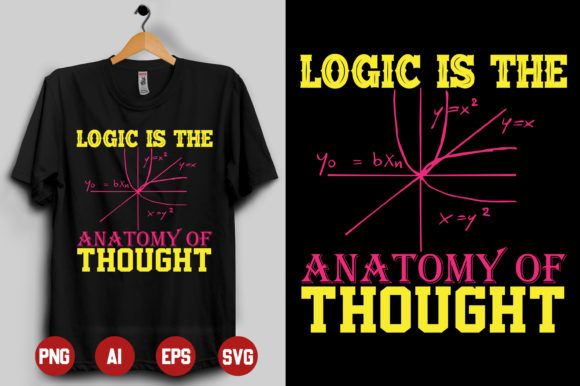
Math T-shirt Design: A Graphics Asset for Print Templates and More
As someone who’s been creating and selling digital design assets for years, I’ve learned to evaluate every new graphic with a mix of curiosity and caution. The Math T-shirt Design caught my eye recently as a potential addition to product lines on Etsy, print-on-demand services, and other creative marketplaces. Let me walk you through how I approached this asset from a seller's perspective, what it offers, and where it might fall short.
First Impressions and Niche Appeal
The Math T-shirt Design is centered around the phrase “Logic is the anatomy of thought,” which immediately sets a tone of intellectual playfulness. It feels like a blend of academic charm and modern minimalism—perfect for a buyer who appreciates subtle humor or wants to showcase their love for logic and learning. The design doesn’t scream for attention; instead, it invites a closer look, making it ideal for niche audiences such as educators, students, math enthusiasts, and even those in the autism community, given its personal connection.
This kind of visual personality works well for shops that focus on educational themes, brainy aesthetics, or self-expression through clever slogans. The mood is calm but confident, and it has a timeless quality that avoids being too trendy or out-of-date.
Visual Personality and Audience Attraction
I’d categorize this design as modern-minimalist with a cerebral twist. It’s not overly bold or bright, but the use of clean typography and smart composition makes it visually appealing. The color palette appears neutral enough to adapt easily across different products, while still maintaining a distinct identity. This balance could attract buyers looking for understated yet meaningful designs.
For sellers targeting specific demographics—like young adults, college students, or professionals in STEM fields—this asset can be a good fit. Its quiet confidence also aligns with brands that value thoughtful messaging and aesthetic consistency over flashy graphics.
Real-World Applications for Digital Sellers
One of the first things I consider when evaluating a graphic design asset is how versatile it is. The Math T-shirt Design opens up a range of opportunities beyond just shirts. Here are some of the product types I’ve considered using it for:
- SVG Products: For Cricut users and Silhouette crafters, the clarity of vector paths will ensure crisp cuts on t-shirts, mugs, or tote bags.
- PNG Designs: High-resolution PNG files work great for print-on-demand platforms, where transparency and layering are key for customization.
- Clipart Bundles: If bundled with related elements (like calculators, geometric shapes, or equations), this could become part of an educational-themed clipart pack.
- Sublimation Designs: The muted tones and lack of heavy outlines make it suitable for sublimation printing on darker materials without losing detail.
- Printable Wall Art: The simplicity of the layout allows it to scale well for larger prints, especially if paired with decorative borders or backgrounds.
- T-Shirt Graphics: Naturally, it fits well as a t-shirt design. Whether printed alone or with supporting visuals, it adds a unique angle to apparel collections.
- Mug and Tumbler Wraps: The central text placement makes it ideal for wrapping around curved surfaces like cups or tumblers.
- Canva Templates: As a background or focal point in social media posts or blog headers, it gives a professional edge to content marketing efforts.
Product Presentation and Listing Optimization
When it comes to selling digital products, presentation matters. The Math T-shirt Design offers a few key advantages in this area:
- Mockup Previews: I tested it on several t-shirt mockups and found that it stands out clearly against white and light-colored fabrics. It maintains legibility even at smaller sizes, which is crucial for thumbnail views.
- Thumbnail Appeal: The phrase-based layout helps it pop in marketplace thumbnails. Buyers tend to gravitate toward designs that tell a story or convey a message quickly.
- Listing Images: When placed on a clean white background with soft shadows, the design enhances the perceived professionalism of the listing. It looks ready-to-sell right out of the box.
- Seasonal Collections: While it’s evergreen, the design could be repurposed for back-to-school, graduation, or STEM awareness campaigns with minor tweaks.
- Brand Consistency: For shops focused on educational or mental health themes (especially autism-related), this design supports brand storytelling by reinforcing values of clarity, logic, and self-awareness.
- Customer Trust: A well-designed, high-quality file boosts customer confidence. This design feels polished and ready for commercial use, which is essential for building trust in digital downloads.
However, I did notice one thing: the design benefits from pairing with strong supporting imagery or fonts. Alone, it might feel a bit sparse. That said, it gives a lot of room for creativity in how you build around it.
Where This Design Shines
The Math T-shirt Design is particularly effective in these scenarios:
- Large Product Previews: Its simplicity allows it to scale beautifully, making it perfect for banners or full-page ads.
- Themed Bundles: Think “Brainy Basics” or “Smart Living” bundles that include stickers, wall art, and Canva templates. This design would serve as a core element.
- Decorative Layouts: When framed with subtle patterns or textures, it transforms into a stylish piece of wall decor or planner insert.
- Printable Products: It works well as a standalone printable, especially for quotes or affirmations shared online or in physical form.
- Merchandise Graphics: Beyond shirts, it translates well to hoodies, tote bags, and aprons—anywhere a clear, readable graphic is needed.
- Social Media Promos: The quote format is ideal for Instagram stories, Pinterest pins, or Facebook ads that highlight lifestyle and mindset.
- Design Mockups: It’s easy to integrate into standard product mockups, helping customers visualize the final product before purchase.
Where to Use It Carefully
While the Math T-shirt Design is adaptable, there are certain limitations to keep in mind:
- Tiny Sticker Details: The font size and spacing may get lost when scaled down for small stickers or embroidery projects.
- Overly Complex Layouts: Adding too many elements around the design can clutter the visual hierarchy and dilute its impact.
- Low-Resolution Prints: Always confirm that the design is provided in high resolution, especially for print-on-demand use. Low-quality images can ruin the effect on fabric or paper.
- Crowded Thumbnails: In marketplaces like Etsy, where listings often scroll past each other rapidly, this design needs space to breathe to avoid getting lost in the shuffle.
- Dark Backgrounds: Test the design on dark colors or substrates to ensure contrast remains sufficient. Some versions might need slight adjustments for visibility.
- Text-Heavy Templates: If your listing includes multiple lines of text or intricate layouts, the design may not hold its own unless balanced properly.
- Clean Cutting Lines: For Cricut or Silhouette users, SVG cut lines should be examined closely. Any jagged edges or overlapping paths could affect cutting accuracy.
Practical Seller Notes and Testing Tips
Before adding the Math T-shirt Design to your shop or creative project, here are some steps I recommend taking:
- Test on Real Mockups: Upload the design to a variety of product mockups (t-shirts, mugs, etc.) to see how it performs under different lighting and angles.
- Preview as Marketplace Thumbnail: Resize the image to match Etsy or Shopify thumbnail dimensions to check if it still looks attractive and legible.
- Check White and Dark Backgrounds: Make sure the design is visible and aesthetically pleasing on both light and dark surfaces. Adjust colors or add outlines if needed.
- Verify Print Colors: Especially important for print-on-demand services—ensure the colors render accurately in real-world prints.
- Confirm PNG Transparency: If you’re planning to offer layered PNGs for customization, verify that the transparent areas are clean and don’t bleed into unwanted sections.
- Inspect SVG Cut Quality: If the design includes any vector elements meant for cutting (like borders or icons), inspect the SVG file for smooth paths and correct layering.
- Confirm File Resolution: For print products, ensure the PNG and JPEG files are at least 300dpi to prevent pixelation.
- Organize Files Clearly: Provide customers with folders labeled for each use case—like “for Cricut,” “printable PDFs,” or “Canva templates.” Clear organization builds trust and usability.
- Font Pairing Suggestions: Try combining the main typeface with complementary styles—serif for a classic vibe, sans serif for modernity, script for whimsy, handwritten for authenticity, and display fonts for bold statements.
- Review Commercial Licensing: Confirm that the design is offered with a proper commercial license. This is critical if you plan to sell finished products or resell the digital asset itself.
Final Thoughts for Creative Entrepreneurs
After putting the Math T-shirt Design through its paces, I can say it’s a solid contender for digital sellers looking to expand their offerings in the education or self-expression niches. It’s a graphic design asset that brings a touch of intellect and charm to a wide range of products—from print templates to SVG files for Cricut projects.
What makes it stand out isn’t just the clever quote, but the way it adapts to different formats and uses. It’s a design that feels intentional, which is exactly what today’s shoppers expect. Whether you're launching a new collection on Etsy or preparing a batch of Canva templates for bloggers, this asset could help elevate your lineup with a sense of purpose and polish.
In short, the Math T-shirt Design is more than just another graphic—it’s a foundational piece that can support a broader narrative in your shop. Just take the time to test it thoroughly and tailor it to your audience.